Commercial roofs by our own union-trained roofers
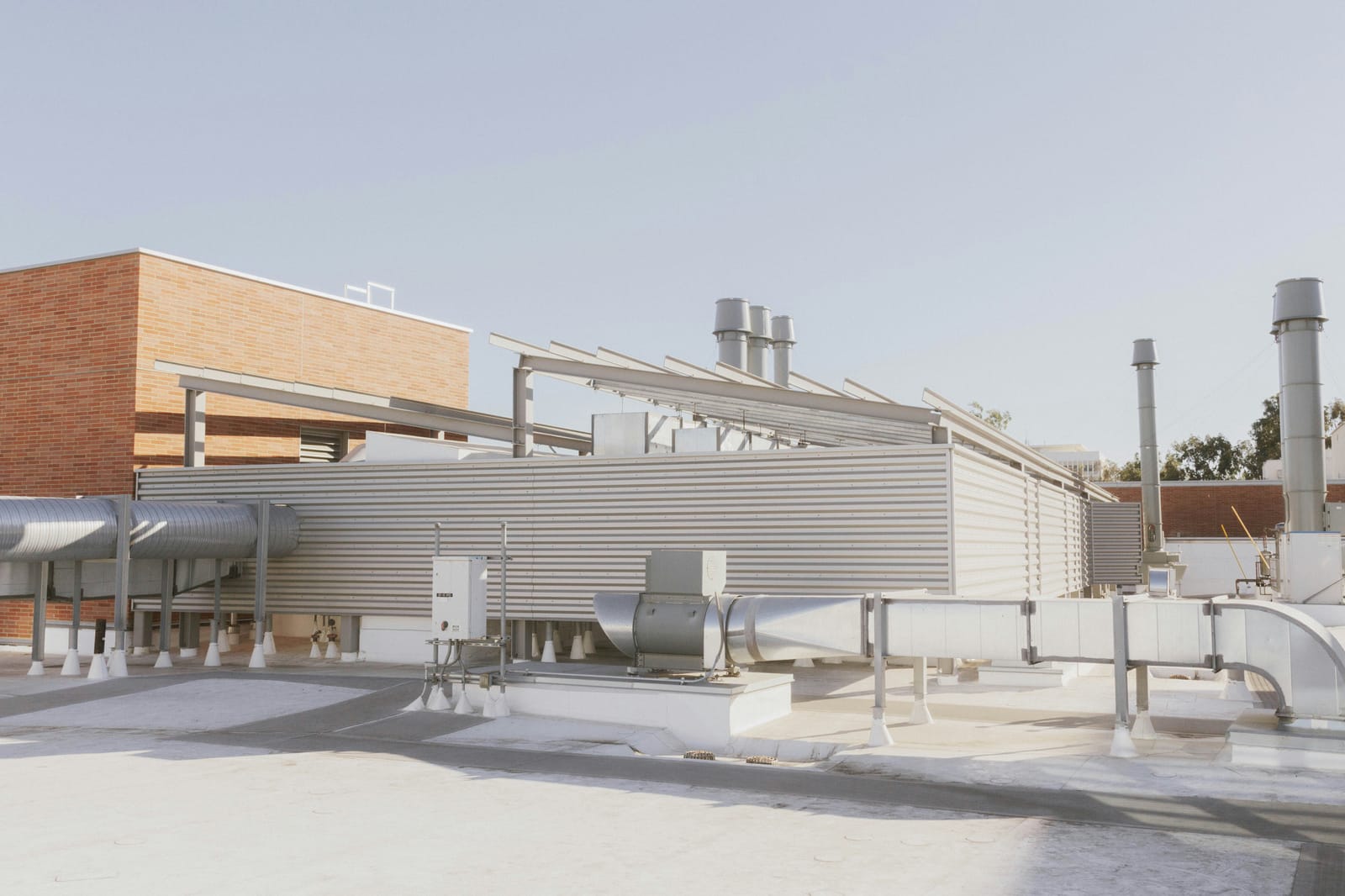
We roof commercial buildings in Terre Haute and across the Wabash Valley, from Clinton and Rockville down to Sullivan and east through Brazil to Greencastle. On flat and low-slope roofs, that usually means TPO. On pitched commercial roofs, it can mean architectural shingles or metal panels. When a flat or metal roof is aging but still sound, a Conklin roof coating can add years without a tear-off.
Our roofers are union-trained, which lets us take on large industrial and commercial projects as well as residential and custom roofs. Roofing foreman Timmy Burgess runs our roof jobs on site. We’re registered with the City of Terre Haute (CL003471), bonded, and insured for general liability and workers’ compensation. We don’t do roofing in Illinois, because we don’t hold an Illinois roofing license. If you’d like, we’re happy to connect you with a union roofer in Illinois that we trust.
- Roof coating$3.50–$10/sq ftPer sq ft, depends on roof size
- Roof inspectionFreeInspection and estimate at no cost
Prices checked October 2026. Every proposal is one all-inclusive price: permits and sales tax built in.
Roofing subcontractor for out-of-town general contractors
A good share of our commercial roofing requests come from general contractors based outside the area who are building new commercial projects in the Wabash Valley and need a local roofing sub. Our union-trained roofers install the roof to your plans and spec, so you don’t have to bring a roofing crew in from out of town.
What you get from us on a subcontract job:
- TPO to your spec. We install TPO single-ply membrane with heat-welded seams, mechanically attached or fully adhered depending on the roof deck and the project spec, using membrane from major manufacturers.
- A number from your documents. We price the roofing package from your plans and roofing spec.
- The paperwork you need. We provide a certificate of insurance, a W-9 and lien waivers with our billing, and we bill through your pay-application process. If your project calls for other submittals, ask, and we’ll tell you plainly whether we can provide them.
- Interior trades on the same job. Our contracting crew can also bid metal stud framing, drywall, acoustic ceilings and FRP panels.
Bidding a project in the Wabash Valley? Send us the plans. Email the drawings and roofing spec to info@whiterockcontracting.com, or call (812) 605-2560, and tell us your bid date. We’ll review the roofing scope and tell you plainly whether we can price it in time.
What a commercial roof costs
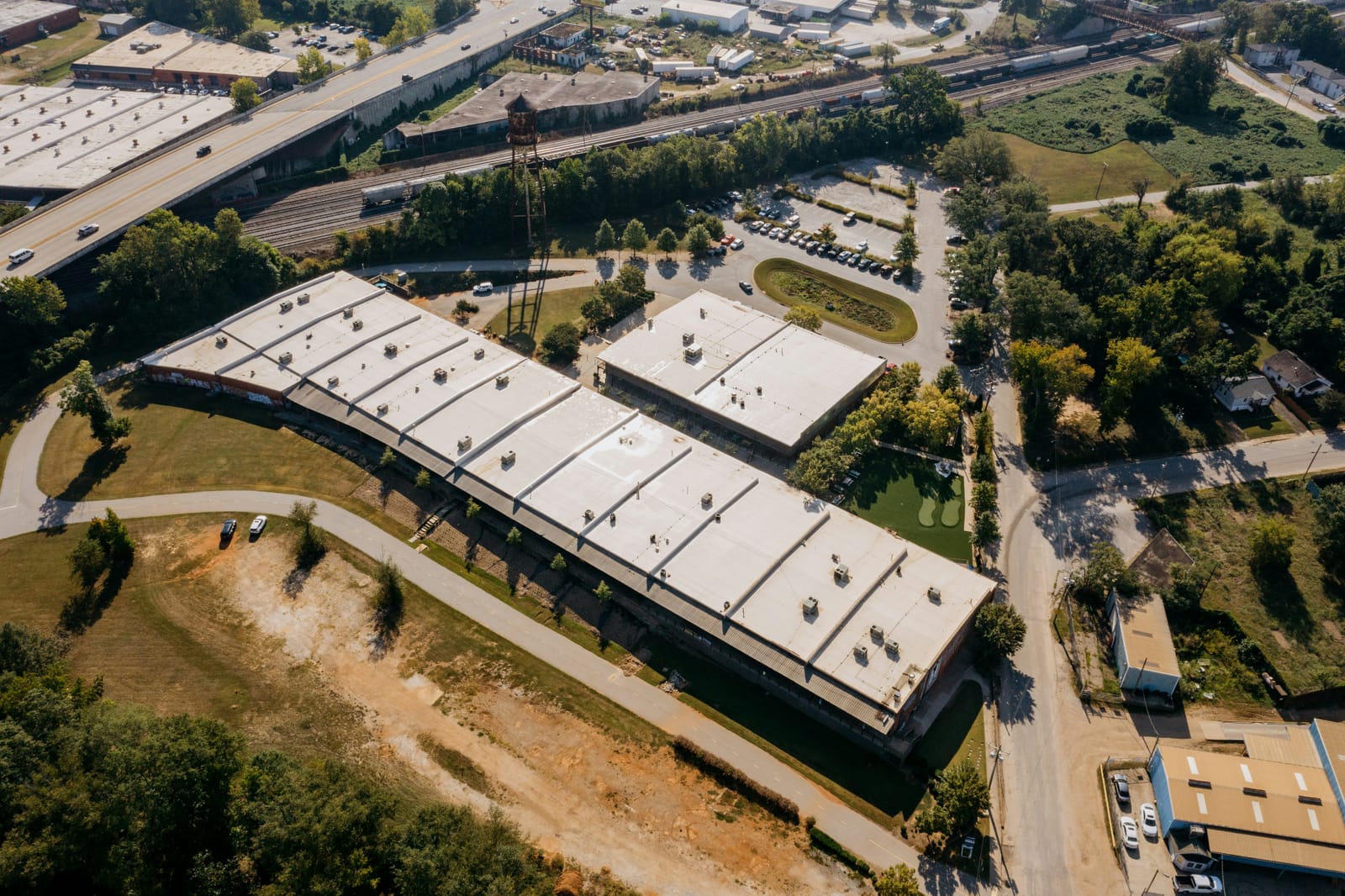
We quote every commercial roof per project, after a free inspection. New construction for a general contractor is priced from the plans and spec. Coatings on sound flat and metal roofs typically run $3.50 to $10 per square foot, and large roofs of 5,000 square feet and up usually run about $3.50 to $6.
We don’t price by the square foot. Every proposal is built from the actual cost of your job: materials, labor, equipment, permits and overhead. The coating figures above are a guide to where jobs typically land, not a rate.
What moves a commercial roof price
- Size and shape. Parapet walls, roof levels and inside corners add flashing and labor.
- What’s up there now. Whether the old roof comes off, how many layers there are, and whether anything underneath is wet or rotted.
- Insulation and cover board. A new membrane needs a solid, dry base, so wet insulation comes out and new cover board often goes down first.
- Attachment and thickness. TPO manufacturer Carlisle rates fully adhered systems highest for durability and wind uplift, while mechanically fastened is the most widely installed. Membrane comes in thicknesses up to 80 mil, and thicker membrane costs more.
- Rooftop equipment. Every HVAC unit, curb, pipe and drain needs its own flashing, and lifting a unit or setting new supports adds cost.
TPO, a coating or a pitched roof
| Option | Fits | What’s involved | Trade-offs |
|---|---|---|---|
| TPO membrane | Flat and low-slope roofs | New single-ply membrane with heat-welded seams, over insulation or cover board | Reflective. Carlisle lists manufacturer warranties up to 30 years. |
| Conklin coating | Aging but sound flat or metal roofs | Clean, repair and prime, then fabric-reinforced base coats and a topcoat | No tear-off, but the roof underneath must be dry and well attached |
| Shingles or metal panels | Pitched roofs | Tear-off, underlayment, then shingles or panels | Same work as our roof replacements |
TPO (thermoplastic polyolefin) is the largest segment of the commercial roofing industry, according to Carlisle.
How we install a TPO roof
- Tear-off and the deck. If the old roof comes off, we check the deck. Wet or damaged material gets replaced, not covered over.
- Insulation and cover board. New board gives the membrane a flat, solid base.
- Membrane and seams. The membrane is mechanically attached or fully adhered, depending on the roof deck and the project spec, and every seam is heat-welded to the manufacturer’s installation instructions.
- Flashing and edges. Walls, curbs, rooftop units, pipes and drains each get flashed, and edge metal finishes the perimeter.
- Cleanup. Debris goes out every day at our cost, with magnetic sweeps over parking lots and walks.
Problems we look for on flat roofs
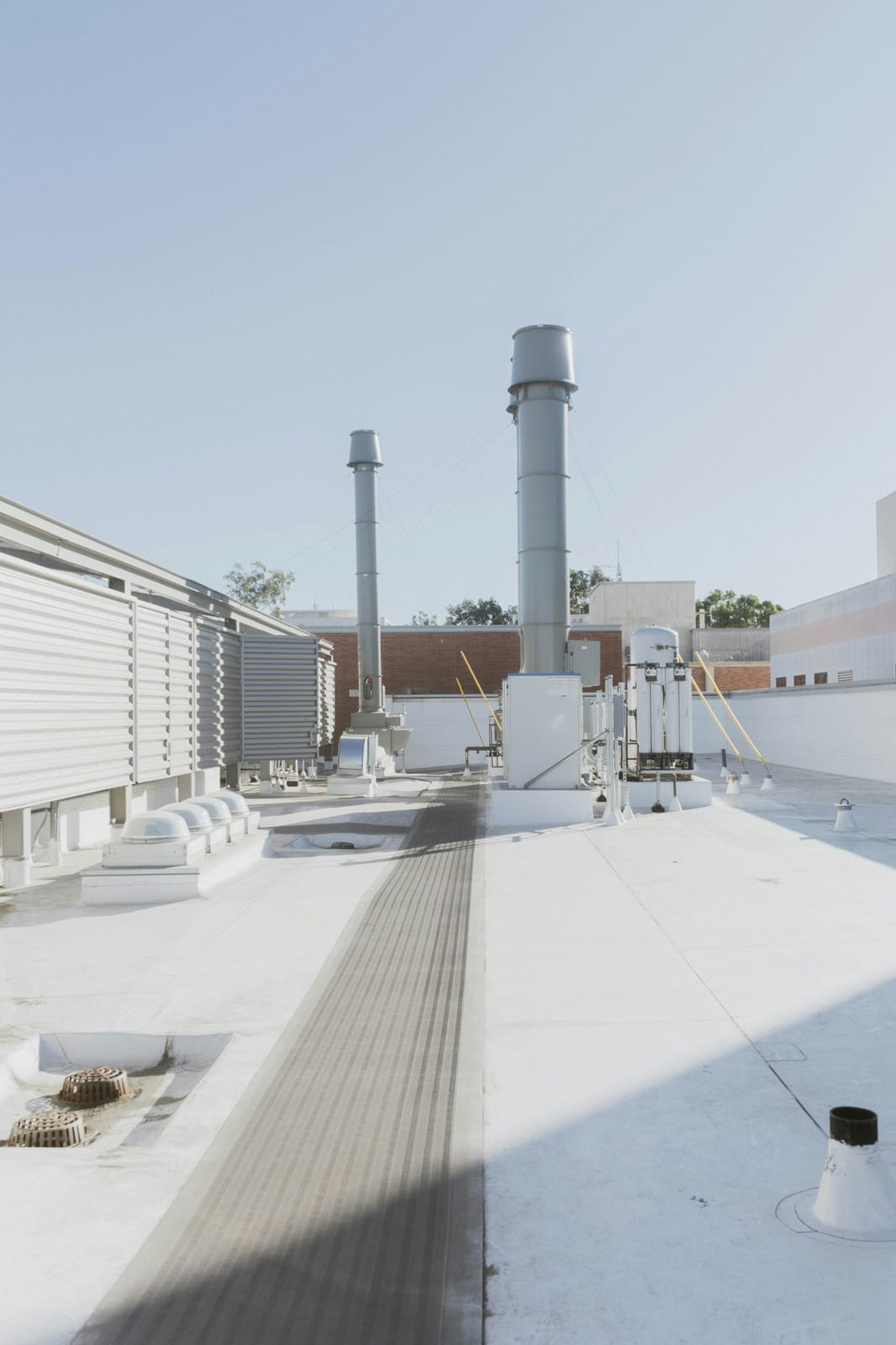
- Ponding water and clogged drains. Standing water keeps working at every weak seam.
- Open seams and tired flashing. Leaks often start where the membrane meets a curb, wall or pipe.
- Shrunken, blistered or loose membrane. A membrane that has pulled tight or come loose can’t hold a coating.
The inspection tells us whether your roof needs a roof repair, a coating or a new roof.
How a job runs for building owners
- Call or request an estimate — Doug Stoliby, our sales manager, reaches out within 1 business day to set up an inspection.
- Free inspection — We check the membrane, seams, flashing, drains and rooftop equipment, and look inside for signs of leaks.
- Budget and scope — Within 5 business days you get a budget and a written scope that names the membrane, insulation and attachment.
- Proposal and agreement — One all-inclusive price with permits and sales tax built in, e-signed in JobTread and good for 7 days.
- Scheduling — Tell us your business hours, deliveries and anything else the crew needs to plan around.
- Install — Schedule updates, change orders and inspection results show up in your JobTread client portal.
- Walkthrough — We walk the roof with you and write a punch list of anything left to finish, then issue a Notice of Substantial Completion, which starts your warranty.
On your own building, we pull the permits the job needs. Inside Terre Haute city limits, permitted work on anything other than a one- or two-family home also needs a plan review permit, so build that into your timeline.
Every change, however small, gets a written change order that you approve first. Roofs we contract directly with a building owner are typically billed 75% at signing and 25% on completion. The deposit covers the materials we order for your roof. When we’re the subcontractor for a general contractor, we bill through the GC’s pay-application process. You can pay through the online invoice link, by check or in cash.
Warranty
Our one-year workmanship warranty starts at substantial completion and covers problems from our installation, not normal wear and tear, damage by others or weather. Membrane and material defects fall under the manufacturer’s warranty, which passes through to you.
Contacted White Rock Construction about checking our roof for possible leaks. He came out the same day and checked it out. After sealing some holes he told us it was probably wind that blew up some shingles allowing the rain to come in. Friendly and honest service.
Amazing Work! Excellent Customer Service! Highly Recommend. 5 ⭐️
Awesome company ,good work that they stand by.
5.0 stars from 82 reviews. Read them on Google (71), Facebook (10) and our TrexPro profile (1).
Commercial roofing questions
Do you work as a roofing subcontractor for general contractors?
Yes. It’s where a good share of our commercial roofing requests come from: out-of-town general contractors building in the Wabash Valley. We provide a certificate of insurance, a W-9 and lien waivers with our billing. Email plans and the roofing spec to info@whiterockcontracting.com.
How much does commercial roofing cost?
We quote each commercial roof per project after a free inspection, and new construction for a general contractor is priced from the plans and spec. Coatings on sound flat and metal roofs typically run $3.50 to $10 per square foot, depending mostly on roof size.
What kind of TPO do you install?
TPO single-ply membrane from major manufacturers, with heat-welded seams, mechanically attached or fully adhered depending on the roof deck and the project spec.
Can you coat our flat roof instead of replacing it?
Often, if the roof is still sound. Conklin’s Membrane Coating System is approved over aged single-ply and modified bitumen roofs that are still bonded and free of blisters, but not over ballasted roofs. See roof coatings.
Do you do commercial roofing in Illinois?
No. We don’t hold an Illinois roofing license, so all of our roofing is in Indiana. If you’d like, we’re happy to connect you with a union roofer in Illinois that we trust. We do take other kinds of work in Marshall, Paris and Casey.
Do you also handle commercial interiors?
Yes, two ways: complete commercial build-outs through our design/build process, and trade work under contracting: acoustic ceilings, metal stud framing, drywall and FRP panels.
Need a roof priced for your building or your next bid?
Send us a few details and Doug Stoliby, our sales manager, will contact you within one business day to discuss your goals, answer questions and schedule a site visit.

Doug Stoliby, Sales ManagerDoug will reach out within 1 business day.